Thicket Clearing in Atlanta, GA
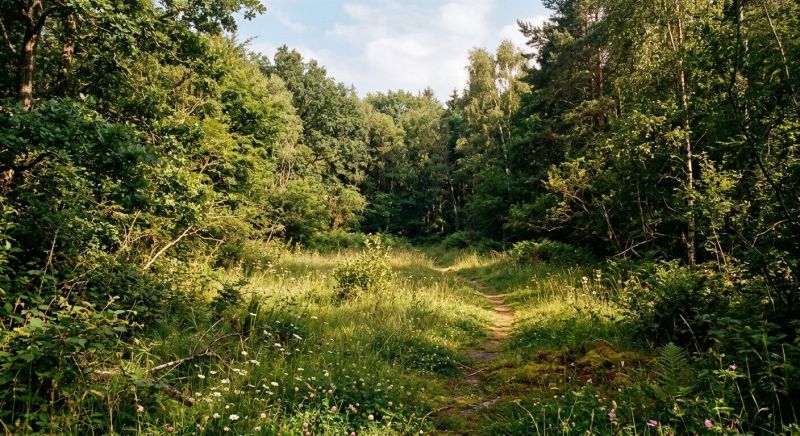
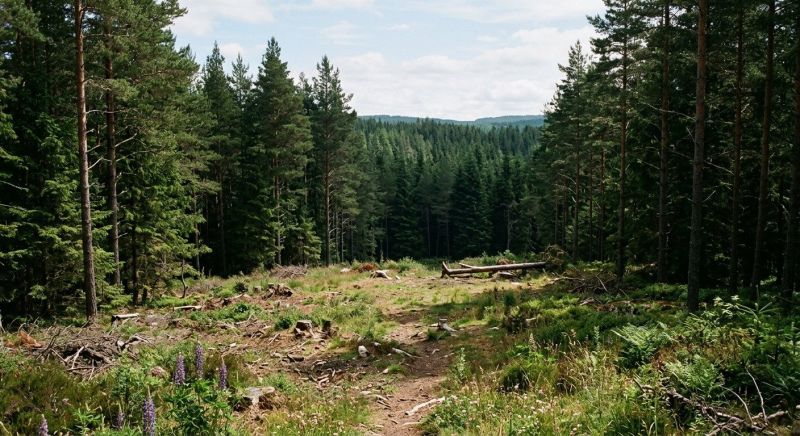
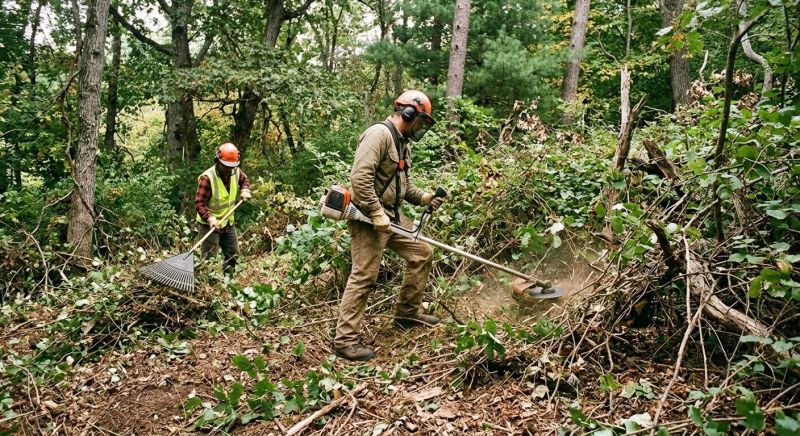
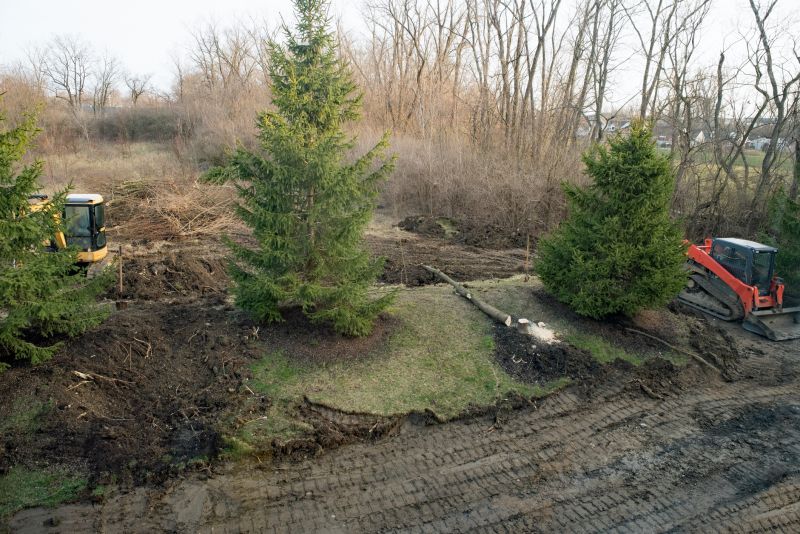
Thicket clearing services involve the removal of dense brush, shrubs, and small trees to open up overgrown areas on residential properties. This type of work is commonly requested for projects such as creating lawns, expanding garden spaces, preparing land for new construction or landscaping, and improving overall property accessibility. Homeowners often seek this service to enhance curb appeal, increase usable outdoor space, or address overgrowth that has become difficult to manage or maintain.
Before requesting thicket clearing, property owners should consider the extent of the overgrowth, the types of vegetation involved, and any potential obstacles such as underground utilities or nearby structures. It’s also helpful to determine whether the cleared area will be used for planting, recreation, or other purposes, as this can influence the scope of work needed. Clear communication about project goals and property conditions can help ensure the service meets expectations and results in a well-maintained, accessible outdoor space.
Many property owners in Atlanta, GA look into Thicket Clearing for repairs, replacements, upgrades, and appearance-related improvements.
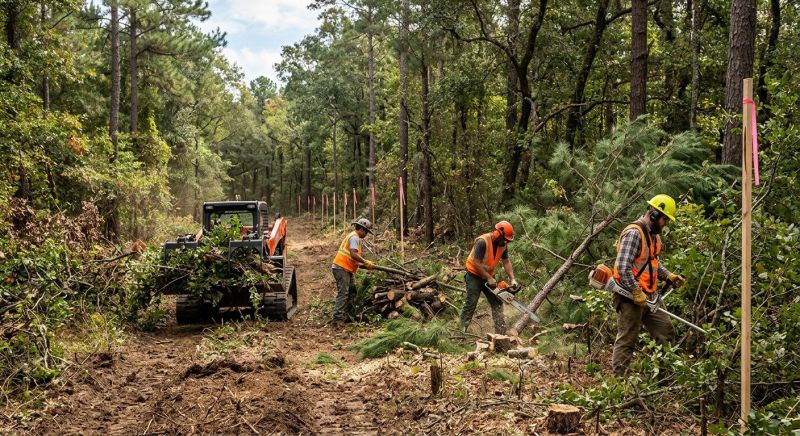
Thicket Clearing For Property Maintenance
Removes overgrown brush to improve yard accessibility and appearance.
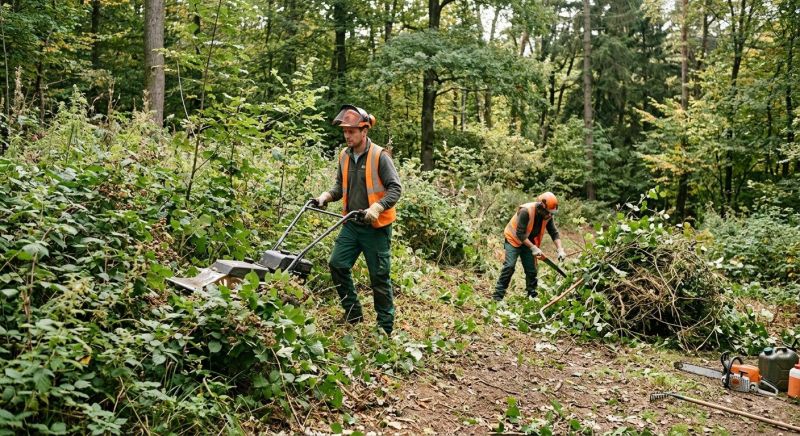
Preparing Land For Development
Clears dense vegetation to create a safe and level site for construction projects.
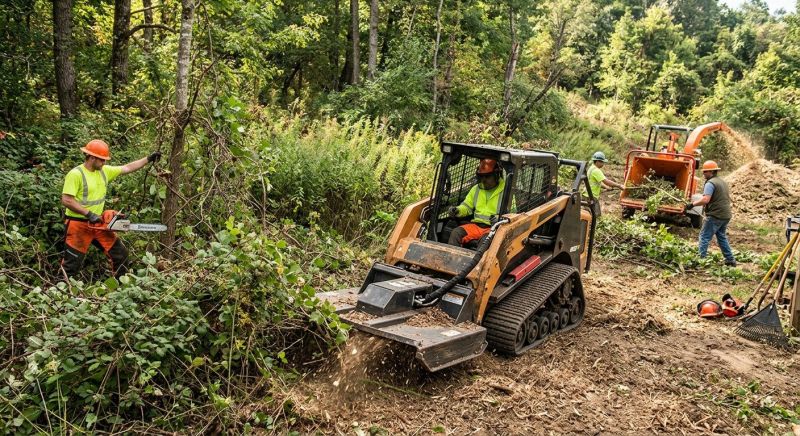
Enhancing Landscape Safety
Eliminates thick underbrush to reduce fire hazards and prevent pest issues in atlanta, ga.
Thicket Clearing in Atlanta, GA
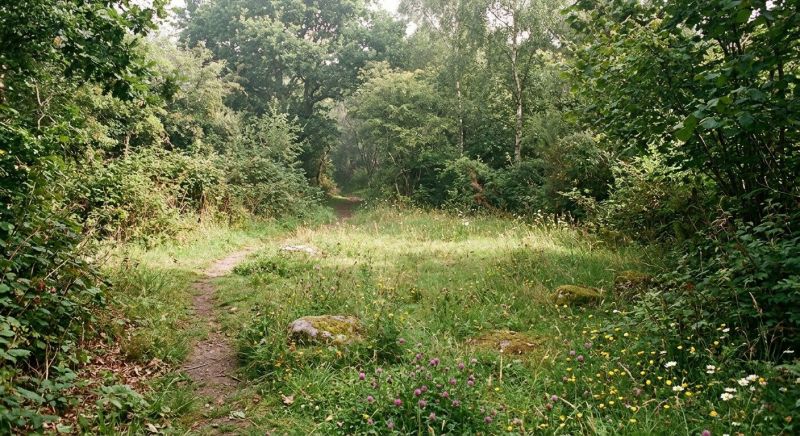
Thicket clearing services involve the removal of dense brush, shrubs, and small trees to open up overgrown areas on residential properties. This type of work is commonly requested for projects such as creating lawns, expanding garden spaces, preparing land for new construction or landscaping, and improving overall property accessibility. Homeowners often seek this service to enhance curb appeal, increase usable outdoor space, or address overgrowth that has become difficult to manage or maintain.
Before requesting thicket clearing, property owners should consider the extent of the overgrowth, the types of vegetation involved, and any potential obstacles such as underground utilities or nearby structures. It’s also helpful to determine whether the cleared area will be used for planting, recreation, or other purposes, as this can influence the scope of work needed. Clear communication about project goals and property conditions can help ensure the service meets expectations and results in a well-maintained, accessible outdoor space.
Many property owners in Atlanta, GA look into Thicket Clearing for repairs, replacements, upgrades, and appearance-related improvements.
Common Thicket Clearing Jobs
Thicket Clearing - removal of dense brush to improve property access and visibility.
Overgrown Lot Clearing - clearing thick vegetation to prepare land for development or landscaping.
Bush and Shrub Removal - trimming or removing overgrown bushes to enhance curb appeal.
Underbrush Removal - clearing low-lying plants to reduce fire risk and improve safety.
Pathway and Driveway Clearing - removing obstructions to ensure safe and easy access.
Hazardous Vegetation Removal - eliminating invasive or dead plants to promote healthy growth.
Thicket Clearing Questions
What is thicket clearing? Thicket clearing involves removing dense brush, shrubs, and small trees to open up land for development, landscaping, or fire prevention.
What types of properties benefit from thicket clearing? Residential yards, vacant lots, and farmland often require thicket clearing to improve usability and safety.
How does thicket clearing improve property safety? Clearing dense vegetation reduces fire hazards and minimizes hiding spots for pests or wildlife.
What should property owners consider before clearing? It’s important to evaluate land conditions and future plans to determine the extent of clearing needed.
Request Thicket Clearing in Atlanta, GA
Use the quote form on this page to share the basics of your project and request more information for the type of work you need.